

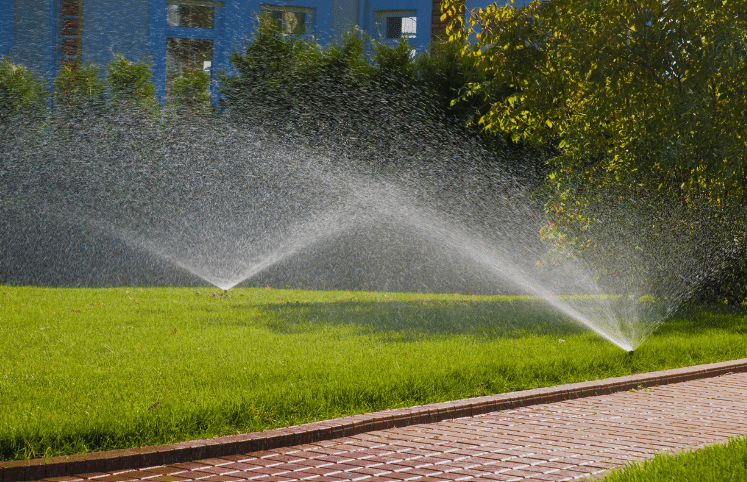
Professional irrigation systems cut water usage by 20% to 50% compared to manual watering or DIY sprinklers. By utilizing tailored zoning, precise flow regulation, and smart, weather-based controllers, these systems eliminate common sources of waste—such as evaporation, runoff, and overspray—delivering exactly the right amount of moisture strictly to the plant root zones.
Maintaining a lush, vibrant landscape no longer requires watching your utility bill skyrocket. For homeowners and businesses, manually dragging hoses or relying on store-bought, above-ground sprinklers is a surefire recipe for water waste. In contrast, a professionally designed and installed irrigation system is a strategic investment that quickly pays for itself by optimizing every single drop of water.
Here is why upgrading to a professional irrigation system is the smartest way to keep your landscaping healthy while protecting your wallet.
1. The Precision of Customized Zoning
A generic, one-size-fits-all approach to watering means some parts of your yard get flooded while others remain parched. Professional installers map out your property and create distinct “zones” tailored to specific conditions, such as:
- Sunlight exposure: Shaded areas require less water than patches baking in the afternoon sun.
- Soil type: Sandy soil drains quickly and needs shorter, more frequent watering than dense clay.
- Plant varieties: Turf grass requires completely different hydration levels than delicate flowerbeds or deep-rooted shrubs.
By segmenting your yard, a professional setup ensures that water is only applied where and when it is needed.
2. Smart Controllers and Weather Sensing
Gone are the days of “set-it-and-forget-it” timers that continue to run their cycles even during a torrential downpour. Modern professional systems integrate smart irrigation controllers that connect to local weather data or on-site soil moisture sensors.
- Rain sensors: Automatically shut down the system if it is actively raining.
- Evapotranspiration (ET) controllers: Calculate exactly how much water is evaporating from the soil and transpiring from the plants, adjusting the watering schedule to match real-time climatic conditions.
By skipping unnecessary cycles, you can easily save thousands of gallons of water annually.
3. Targeted Root Delivery (Micro-Irrigation)
Traditional overhead sprinklers spray water into the air, making them highly susceptible to wind drift and evaporation before the water even hits the ground. Professional systems often incorporate drip lines or micro-irrigation, which deliver water slowly and directly to the root zone of your plants. Because the water is concentrated at the base of the plant, moisture isn’t lost to the surrounding air, and you eliminate the runoff that occurs when ground is saturated too quickly.
4. Pressure Regulation and Leak Detection
Water pressure that is too high can cause sprinkler heads to mist and fog, blowing water away from your lawn in the wind. Professionals calibrate system valves to ensure optimal pressure, maximizing distribution uniformity. Furthermore, many advanced professional systems feature flow sensing capabilities that can detect sudden leaks, broken pipes, or clogged nozzles, alerting you to problems before they cause significant property damage and spike your utility bill.
The Bottom Line
Balancing a pristine lawn with environmental responsibility requires smart resource management. While the upfront cost of a professionally installed system requires an investment, the long-term cost savings on your utility bills and reduced plant replacement costs are substantial. The precision engineering of a professional setup guarantees a healthier landscape while reducing your monthly water consumption. So, give Trey’s Lawn Service a call today and let us install a professional irrigation system for you today.