

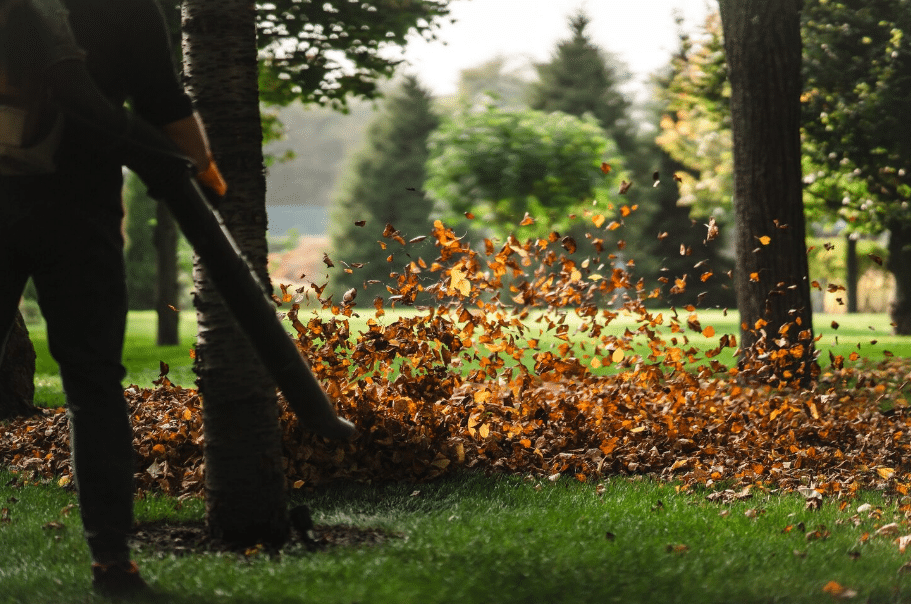
Fall is right around the corner. Fall is the best time to care for your lawn. Cooler weather helps grass roots grow strong before winter. A professional landscaper follows specific steps to keep grass healthy and green. Trey’s Lawn Service is YOUR answer to providing lawncare in the fall.
Aeration and Overseeding
- Core Aeration: Machines pull small plugs of soil out of the lawn. This lets air, water, and fertilizer reach deep down into the roots.
- Breaking Compaction: Heavy summer foot traffic packs dirt tight. Aeration loosens the soil so grass can breathe.
- Overseeding: Landscapers spread new grass seed right after aerating. The seeds fall into the holes and grow well in the cool autumn air.
Fertilization
- Root Growth: Fall fertilizer gives grass high amounts of potassium and phosphorus. These nutrients build strong, deep roots instead of fast top growth.
- Stored Energy: Grass stores these nutrients over the winter. This stored energy helps the lawn wake up fast and green in the spring.
Leaf Removal
- Preventing Damage: Piles of wet leaves block sunlight and trap moisture. This suffocates the grass and breeds lawn diseases.
- Mulching or Raking: Landscapers either rake the leaves away or use a mower to chop them into tiny pieces. Mulched leaves actually add good nutrients back into the soil.
Weed Control
- Targeting Weeds: Perennial weeds like dandelions try to store food for winter during the fall.
- Applying Treatments: Applying weed control now kills the weeds at the root. This stops them from coming back and taking over your yard next spring.
Mowing and Watering
- Lower Cutting Height: Landscapers lower the mower blade slightly for the last few cuts of the year. This keeps tall grass from bending over and rotting under winter frost.
- Deep Watering: Lawns still need water in the fall. Deep, infrequent watering encourages roots to grow deeper into the ground to chase moisture.
Why Fall Leaf Removal Matters
Leaving leaves on your lawn causes big problems. Your grass needs air, water, and sunlight to survive the winter.
- Suffocation: A thick layer of leaves blocks sunlight and air. The grass underneath turns yellow and dies.
- Disease: Wet leaves trap moisture. This breeds lawn fungus, mold, and rot.
- Pests: Bugs, ticks, and mice love to hide in damp leaf piles.
- Stains: Wet leaves leave ugly stains on concrete walks and driveways.
Taking care of your lawn in the autumn sets the stage for a thick, beautiful yard next year. Professional care now saves you time and work when spring arrives. Give Trey’s Lawn Service a call today.