

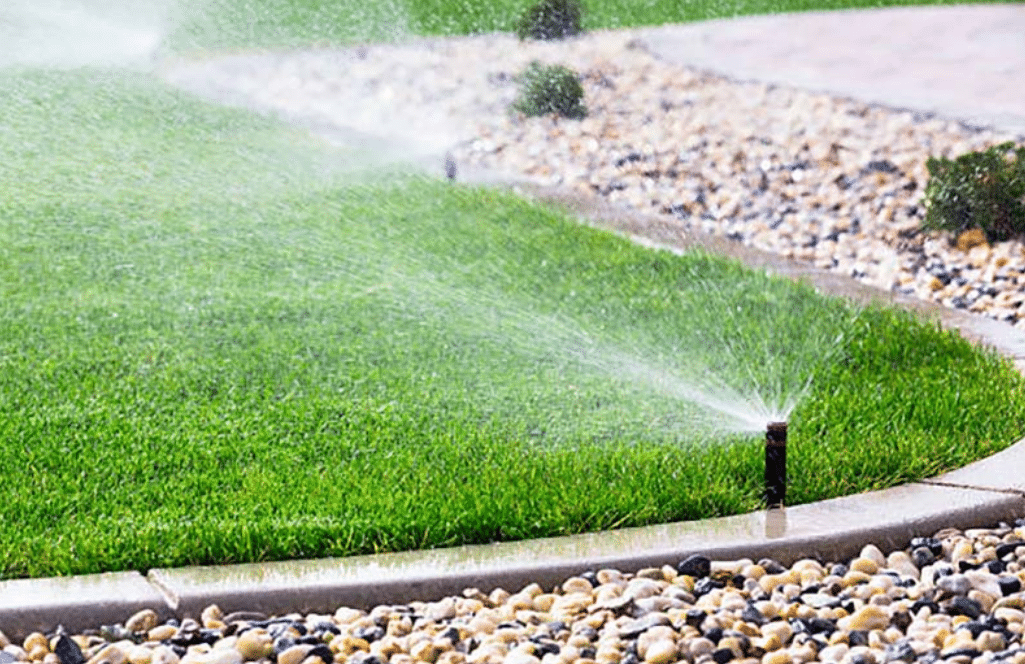
A lush, green lawn is the pride of any homeowner. It boosts curb appeal, provides a safe play area for kids and pets, and creates a relaxing outdoor oasis. But achieving and maintaining that perfect lawn requires more than just mowing and occasional weeding—it demands consistent, efficient watering. This is where a properly designed irrigation system by Trey’s Lawn Service becomes not just convenient, but essential. In an era of unpredictable weather patterns, rising water costs, and environmental concerns, an irrigation system is one of the smartest investments you can make for your lawn’s long-term health and beauty.
Why Manual Watering Falls Short
Hand-watering with a hose or dragging out sprinklers might seem simple, but it’s inefficient and often ineffective. Most lawns need about 1 to 1.5 inches of water per week, depending on grass type, soil, climate, and season. Achieving this manually is nearly impossible without waste or neglect.
Inconsistency: People forget, get busy, or water unevenly. Some areas get soaked while others stay dry, leading to patchy growth, shallow roots, and weed invasion.
Over- or Under-Watering: Too much water drowns roots and encourages fungal diseases like brown patch or dollar spot. Too little stresses the grass, turning it brown and weak.
Time Drain: Watering by hand can take hours every week—time better spent enjoying your yard.
An automatic irrigation system solves these problems by delivering the exact amount of water your lawn needs, precisely when it needs it.
Key Benefits of a Professional Irrigation System
- Healthier, More Resilient Grass
A well-watered lawn develops deeper root systems, making it more drought-tolerant and resistant to pests, disease, and foot traffic. Irrigation systems promote uniform growth, resulting in thicker, greener turf that crowds out weeds naturally. Studies from university extension programs consistently show that properly irrigated lawns recover faster from heat waves and require fewer chemical treatments. - Water Efficiency and Conservation
Modern irrigation systems are engineered for precision. Features like rain sensors, soil moisture detectors, and weather-based smart controllers automatically skip watering after rain or during cooler periods. Drip irrigation and low-pressure rotors minimize evaporation and runoff—unlike traditional sprinklers that can lose up to 50% of water to wind and mist. Homeowners with smart systems often report 20-50% reductions in water usage compared to manual methods, which also lowers monthly water bills. - Time and Labor Savings
Once installed, the system runs on autopilot. Set it once (or let a smart controller handle scheduling), and you’re free from the weekly chore. Many systems integrate with smartphone apps, allowing you to adjust watering from anywhere—perfect for vacations or busy schedules. - Cost-Effectiveness Over Time
The upfront cost of installation vary for an average yard, depending on size and features The return on investment is rapid. Healthier grass means fewer repairs, less fertilizer, and no need to reseed dead patches. In drought-prone regions, some municipalities even offer rebates for water-efficient systems, further reducing costs. - Environmental Responsibility
Efficient irrigation reduces water waste and prevents chemical runoff into local waterways. By maintaining a healthy lawn, you also support biodiversity—lawns act as natural air filters, cooling the air and absorbing carbon dioxide. In many communities, a thriving lawn is part of responsible land stewardship.
Types of Irrigation Systems to Consider
Not every lawn needs the same solution. Here are the most common options:
In-Ground Sprinkler Systems: Pop-up heads deliver water evenly across large areas. Ideal for traditional lawns.
Drip Irrigation: Slow, targeted watering at the root zone. Excellent for flower beds, shrubs, and water-conscious homeowners.
Rotors and Spray Heads: Cover wide or narrow zones with adjustable patterns.
Smart Controllers: Wi-Fi-enabled brains that pull real-time weather data and optimize schedules automatically.
Many homeowners combine systems—for example, sprinklers for the main lawn and drip lines for garden beds—to maximize efficiency.
Installation and Ongoing Care
Professional installation ensures proper zoning, pressure regulation, and coverage with no dry spots or overspray onto sidewalks and driveways. An irrigation specialist, like Treys Lawn Service, will also test your soil type and recommend the best grass-compatible setup.
Maintenance is straightforward: inspect heads seasonally for clogs or damage, winterize in cold climates, and update controller settings as seasons change. Most systems pay for themselves in convenience and savings within just a few years.
The Bottom Line: Invest in Your Lawn’s Future
In today’s world, a beautiful lawn isn’t an accident—it’s the result of smart, sustainable practices. An irrigation system transforms lawn care from a constant struggle into a set-it-and-forget-it success story. It delivers healthier grass, lower water bills, more free time, and peace of mind, all while being kinder to the environment.
If your lawn looks tired, patchy, or demands too much weekend effort, it’s time to consider upgrading. Contact us at Trey’s Lawn Service to design a system tailored to your yard’s unique needs. Your grass—and your schedule—will thank you. A vibrant, thriving lawn isn’t just possible; with the right irrigation system, it’s practically guaranteed.